

ارتودنسی کمک میکند تا دندانهایی که کج هستند، روی هم قرار گرفتهاند، یا فاصلهی زیادی بینشان وجود دارد، در جای درست خود قرار بگیرند و فکها نیز در وضعیت مناسبی نسبت به هم قرار گیرند.
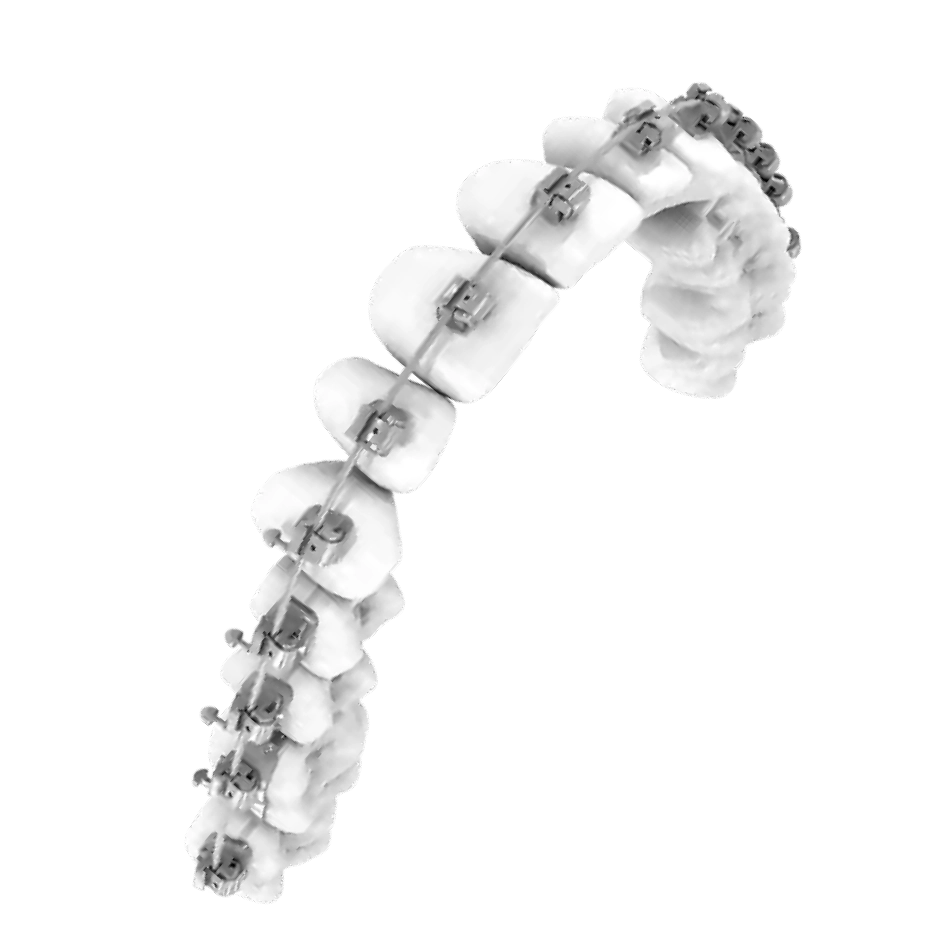
ابزارهای اصلی که در ارتودنسی استفاده میشوند، دستگاههای ارتودنسی هستند که میتوانند ثابت (مانند بریسها) یا متحرک (مانند الاینرها) باشند. این دستگاهها با اعمال نیروی ملایم و مداوم، دندانها و استخوان فک را به تدریج جابجا میکنند تا به وضعیت مطلوب برسند.
“Orthodontics helps to correctly position teeth that are crooked, overlapping, or have large gaps between them, and also ensures that the jaws are in a proper position relative to each other.
The main tools used in orthodontics are orthodontic appliances, which can be fixed (like braces) or removable (like aligners).
دیگر خدمات
Other services
مشاوره ارتودنسی هوشمند
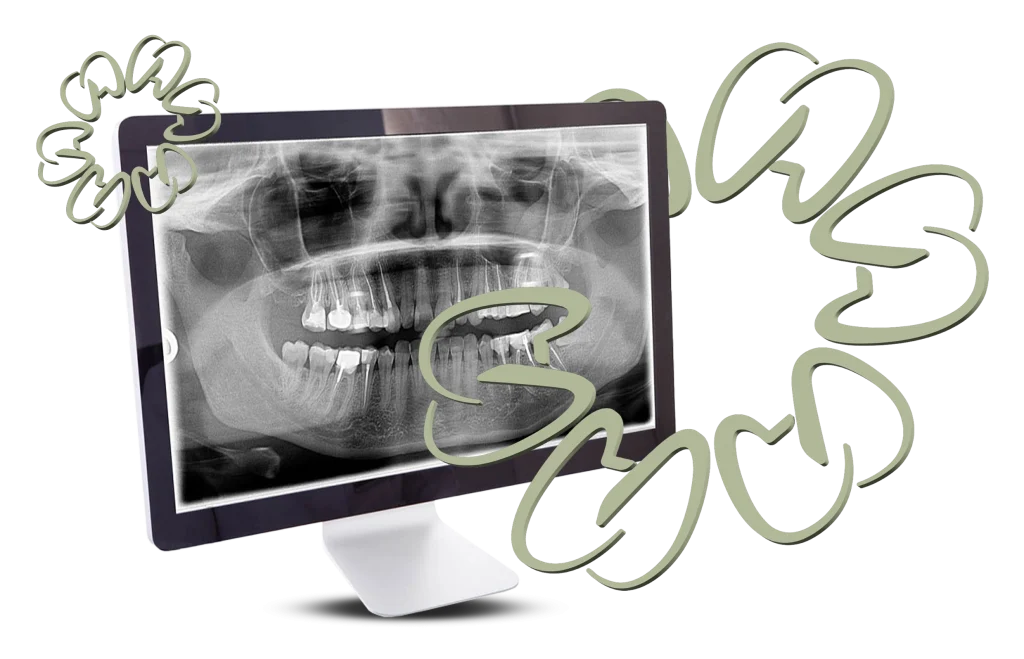
عکس دندانهای خود را برای ما ارسال کنید تا توسط متخصصین ارتودنسی بررسی شود. ما بهترین برنامه درمانی را برای شما تنظیم کرده و طی یک جلسه مشاوره (تلفنی یا حضوری)، نتیجه نهایی و نقشه راهِ رسیدن به دندانهای مرتب را با شما بررسی میکنیم.
همین حالا رزرو کنید
برای آسایش خاطر شما و تجربهای بینظیر، میتوانید به راحتی نوبت معاینهی خود را در سایت ما رزرو کنید و با لبخندی از پیش آماده، به سوی سلامتی گام بردارید!


انواع ارتودنسی
ارتودنسی ثابت (Fixed Orthodontics)
مزایا:
اثربخشی بالا: به دلیل اینکه دستگاه ثابت است و به طور مداوم نیرو اعمال میکند، برای اصلاح مشکلات پیچیده و جابجاییهای زیاد دندانها بسیار مؤثر است.
کنترل دقیق: دندانپزشک کنترل کاملی بر روی حرکت هر دندان دارد.
مناسب برای همه سنین: هم برای کودکان و نوجوانان و هم برای بزرگسالان قابل استفاده است.
هزینه معمولاً کمتر: در مقایسه با برخی روشهای مدرنتر مانند الاینرها، ممکن است هزینه کمتری داشته باشد (البته این مورد بسته به نوع براکتها و طول درمان متفاوت است).
معایب:
ظاهر: براکتهای فلزی ممکن است از نظر ظاهری چندان مطلوب نباشند، اگرچه براکتهای سرامیکی یا رنگی گزینههای بهتری برای ظاهر هستند.
دشواری در بهداشت: تمیز کردن دندانها در اطراف براکتها و سیمها دشوارتر است و نیاز به دقت و استفاده از مسواکهای مخصوص دارد. این موضوع میتواند خطر پوسیدگی و التهاب لثه را افزایش دهد.
احتمال تحریک لثه و لب: براکتها و سیمها ممکن است باعث خراشیدگی یا تحریک بافتهای نرم دهان شوند.
محدودیت در خوردن: برخی غذاهای سفت، چسبنده یا شکری باید با احتیاط مصرف شوند یا از آنها پرهیز شود تا به دستگاه آسیب نرسد.
Fixed Orthodontics
Advantages of Fixed Braces (Traditional Brackets):
High effectiveness: Since the appliance is fixed and applies continuous force, it is very effective for correcting complex issues and large tooth movements.
Precise control: The orthodontist has full control over the movement of each tooth.
Suitable for all ages: Can be used for children, teenagers, and adults.
Often lower cost: Compared to some modern methods such as aligners, braces may be less expensive (though this depends on the type of brackets and treatment duration).
Disadvantages:
Appearance: Metal brackets may not be aesthetically pleasing, though ceramic or colored brackets can be better options.
Oral hygiene difficulties: Cleaning around brackets and wires is harder, requiring special brushes. This can increase the risk of cavities and gum inflammation.
Gum and lip irritation: Brackets and wires may cause scratches or irritation in soft tissues of the mouth.
Diet restrictions: Hard, sticky, or sugary foods should be limited or avoided to prevent damage to the appliance.
Simplified Version (for brochure/website)
Braces – Pros & Cons
Pros:
Very effective for complex cases
Full dentist control
Works for all ages
Usually cheaper than aligners
Cons:
Visible metal look (ceramic options available)
Harder to clean, higher cavity risk
Can irritate gums or lips
ارتودنسی نامرئی (Invisible Orthodontics)
مزایا:
ظاهر: همانطور که از نامش پیداست، این الاینرها شفاف و تقریباً نامرئی هستند و از نظر زیباییشناختی برای بسیاری از افراد جذابتر است.
راحتی در بهداشت: چون قابل برداشتن هستند، رعایت بهداشت دهان و دندان (مسواک زدن و نخ دندان کشیدن) به راحتی امکانپذیر است.
راحتی در خوردن: میتوان الاینرها را هنگام غذا خوردن برداشت، بنابراین محدودیتی در انتخاب غذا وجود ندارد.
راحتی: معمولاً نسبت به براکتها، راحتی بیشتری برای دهان ایجاد میکنند و احتمال تحریک بافتهای نرم کمتر است.
معایب:
نیاز به انضباط بالا: بیمار باید الاینرها را حداقل ۲۲ ساعت در شبانهروز استفاده کند. اگر بیمار به طور مداوم از آنها استفاده نکند، درمان مؤثر نخواهد بود.
مناسب نبودن برای مشکلات پیچیده: برای موارد بسیار پیچیده که نیاز به جابجاییهای زیاد یا کنترل دقیق در سه بعد است، ممکن است به اندازه براکتها مؤثر نباشند.
هزینه بالاتر: معمولاً هزینه الاینرها بیشتر از براکتهای فلزی استاندارد است.
احتمال گم شدن: چون قابل جابجایی هستند، احتمال گم شدن یا آسیب دیدن آنها وجود دارد.
نیاز به تعویض مداوم: هر چند هفته یک بار باید الاینرهای جدید را جایگزین کرد.
Invisible Orthodontics
Advantages of Clear Aligners:
Appearance: As the name suggests, these aligners are transparent and nearly invisible, making them more aesthetically appealing for many people.
Oral hygiene convenience: Removable design makes brushing and flossing easy.
Eating convenience: Can be removed during meals, so there are no food restrictions.
Comfort: Generally more comfortable than braces, with less irritation to soft tissues.
Disadvantages:
High discipline required: Must be worn at least 22 hours per day; inconsistent use reduces effectiveness.
Not suitable for complex cases: May be less effective than braces for severe or three-dimensional tooth movements.
Higher cost: Usually more expensive than standard metal braces.
Risk of loss or damage: Being removable, they can be lost or damaged.
Frequent replacement: New aligners need to be used every few weeks.
Simplified Version (for brochure/website)
Clear Aligners – Pros & Cons
Pros:
Almost invisible and aesthetically pleasing
Easy to clean teeth
Can remove for eating
Comfortable, less irritation
Cons:
Must be worn consistently (22+ hours/day)
Less effective for complex cases
Usually more expensive
Can be lost or damaged
Need regular replacement every few weeks
ارتودنسی لینگوال (Lingual Orthodontics)
مزایا:
نامرئی بودن کامل: براکتها و سیمها در پشت دندانها قرار میگیرند و از بیرون دیده نمیشوند، که این بزرگترین مزیت آن است.
اثربخشی مشابه براکتهای ثابت: همانند براکتهای معمولی، برای طیف وسیعی از مشکلات ارتودنسی مؤثر هستند.
معایب:
هزینه بالا: این روش معمولاً گرانترین نوع ارتودنسی است.
دشواری در بهداشت: تمیز کردن پشت دندانها و اطراف براکتها میتواند دشوار باشد.
احتمال تحریک زبان: براکتها و سیمها ممکن است باعث تحریک و ناراحتی زبان شوند.
زمانبر بودن درمان: گاهی اوقات درمان با لینگوال کمی طولانیتر از براکتهای معمولی است.
تخصص دندانپزشک: نیاز به تخصص و تجربه بالایی از سوی دندانپزشک ارتودنتیست دارد.
Lingual Orthodontics
Advantages of Lingual Braces:
Completely invisible: Brackets and wires are placed behind the teeth, making them unseen from the outside. This is their biggest advantage.
Effectiveness similar to traditional braces: Like regular braces, they are effective for a wide range of orthodontic issues.
Disadvantages:
High cost: Usually the most expensive type of braces.
Oral hygiene challenges: Cleaning behind the teeth and around the brackets can be difficult.
Tongue irritation: Brackets and wires may cause discomfort or irritation to the tongue.
Longer treatment time: Treatment can sometimes take longer than with conventional braces.
Requires specialist dentist: Needs high experience and skill from the orthodontist.
Simplified Version (for brochure/website)
Lingual Braces – Pros & Cons
Pros:
Completely invisible
Works as effectively as regular braces
Cons:
Expensive
Harder to clean
Can irritate the tongue
Treatment may take longer
Needs an experienced orthodontist
ارتودنسی فانکشنال (Functional Orthodontics)
مزایا:
نامرئی بودن کامل: براکتها و سیمها در پشت دندانها قرار میگیرند و از بیرون دیده نمیشوند، که این بزرگترین مزیت آن است.
اثربخشی مشابه براکتهای ثابت: همانند براکتهای معمولی، برای طیف وسیعی از مشکلات ارتودنسی مؤثر هستند.
معایب:
هزینه بالا: این روش معمولاً گرانترین نوع ارتودنسی است.
دشواری در بهداشت: تمیز کردن پشت دندانها و اطراف براکتها میتواند دشوار باشد.
احتمال تحریک زبان: براکتها و سیمها ممکن است باعث تحریک و ناراحتی زبان شوند.
زمانبر بودن درمان: گاهی اوقات درمان با لینگوال کمی طولانیتر از براکتهای معمولی است.
تخصص دندانپزشک: نیاز به تخصص و تجربه بالایی از سوی دندانپزشک ارتودنتیست دارد.
Functional Orthodontics
Lingual Braces – Advantages:
Completely invisible: Brackets and wires are placed behind the teeth, making them unseen from the outside. This is their biggest advantage.
Effectiveness similar to traditional braces: Like regular braces, they are effective for a wide range of orthodontic problems.
Disadvantages:
High cost: Usually the most expensive type of braces.
Oral hygiene challenges: Cleaning behind the teeth and around the brackets can be difficult.
Tongue irritation: Brackets and wires may cause discomfort or irritation to the tongue.
Longer treatment time: Treatment can sometimes take longer than with conventional braces.
Requires specialist dentist: Needs high experience and skill from the orthodontist.
Simplified Version (for brochure/website)
Lingual Braces – Pros & Cons
Pros:
Completely invisible
Works as effectively as regular braces
Cons:
Expensive
Harder to clean
Can irritate the tongue
Treatment may take longer
Needs an experienced orthodontist
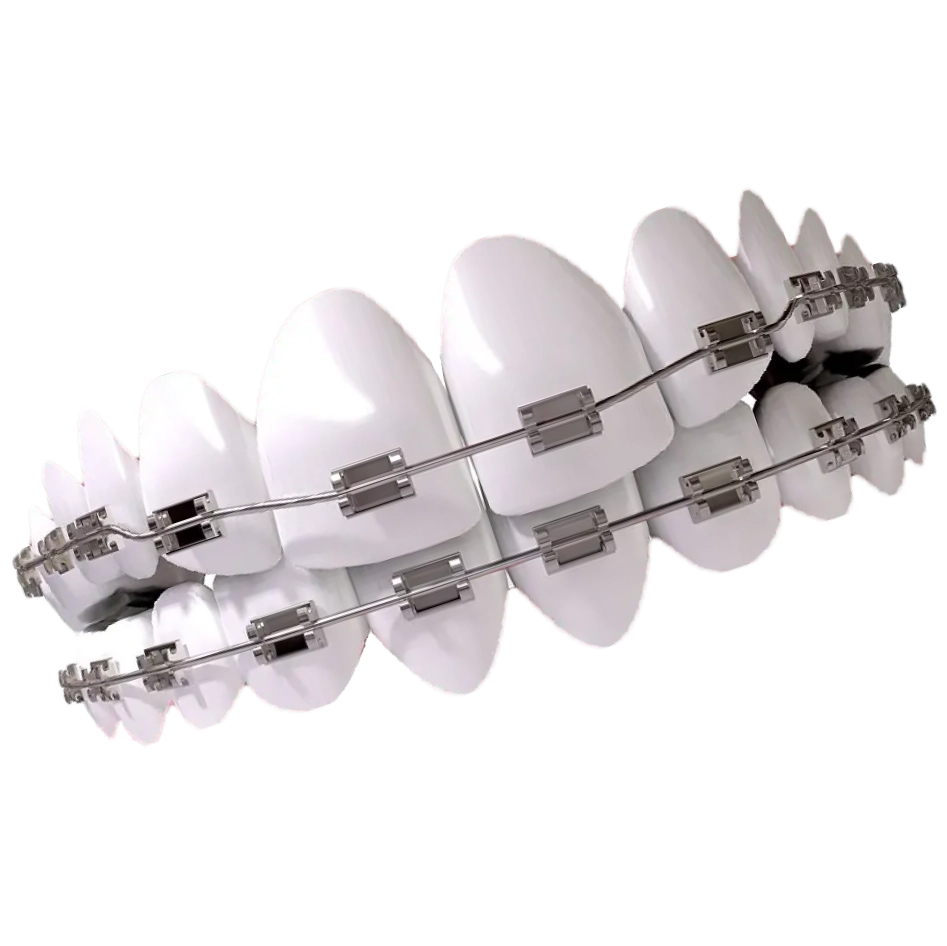
ارتودنسی ثابت (Fixed Orthodontics)
این رایجترین نوع ارتودنسی است که شامل بریسهای فلزی یا سرامیکی است که با چسبهای مخصوص به دندانها متصل میشوند. سیمی که از بین براکتها عبور میکند، نیرو را برای جابجایی دندانها اعمال میکند.
Fixed Orthodontics
“Fixed Orthodontics: This is the most common type of orthodontics, which includes metal or ceramic braces attached to the teeth with special adhesives. A wire that passes through the brackets applies the force to move the teeth
ارتودنسی نامرئی (Invisible Orthodontics) یا الاینرها (Aligners)
این روش شامل استفاده از پلاکهای شفاف و قابل جابجایی است که به صورت سفارشی برای هر فرد ساخته میشوند. این الاینرها هر چند هفته یک بار تعویض میشوند و به تدریج دندانها را مرتب میکنند. مزیت اصلی این روش، نامرئی بودن و قابلیت جدا شدن هنگام غذا خوردن و مسواک زدن است.
Invisible Orthodontics
Invisible Orthodontics or Aligners: This method involves using clear, removable aligners custom-made for each individual. These aligners are replaced every few weeks and gradually straighten the teeth. The main advantage of this method is its invisibility and the ability to remove them while eating and brushing.
ارتودنسی لینگوال (Lingual Orthodontics)
این نوع ارتودنسی شبیه به ارتودنسی ثابت است، با این تفاوت که براکتها و سیمها در پشت دندانها (سمت زبان) چسبانده میشوند و بنابراین از بیرون دیده نمیشوند.
Lingual Orthodontics
Lingual Orthodontics: This type of orthodontics is similar to fixed orthodontics, with the difference that the brackets and wires are bonded to the back of the teeth (tongue side), and therefore are not visible from the outside.
ارتودنسی فانکشنال (Functional Orthodontics)
این نوع ارتودنسی معمولاً در سنین رشد برای اصلاح مشکلات مربوط به فک (مانند عقب یا جلو بودن فک) استفاده میشود و از دستگاههای متحرک یا ثابت برای هدایت رشد فک استفاده میکند.
Functional Orthodontics
Functional Orthodontics: This type of orthodontics is typically used during growth phases to correct jaw-related problems (such as an underbite or overbite) and uses removable or fixed appliances to guide jaw growth.”