


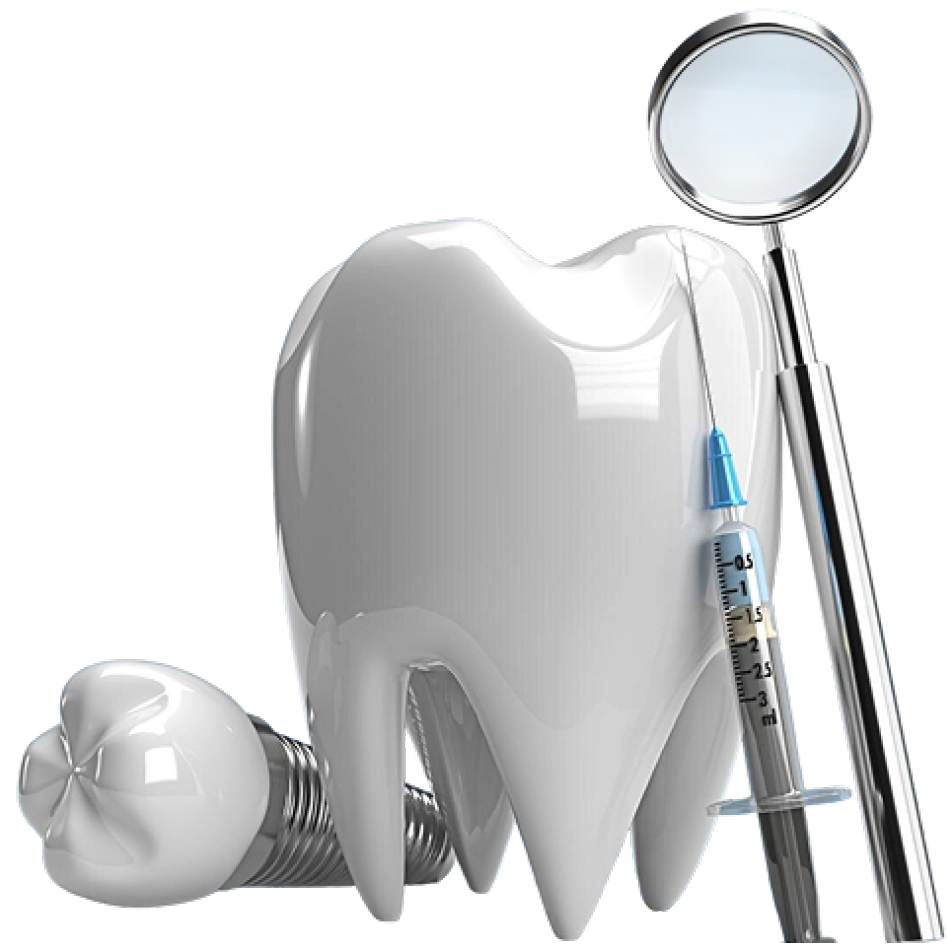
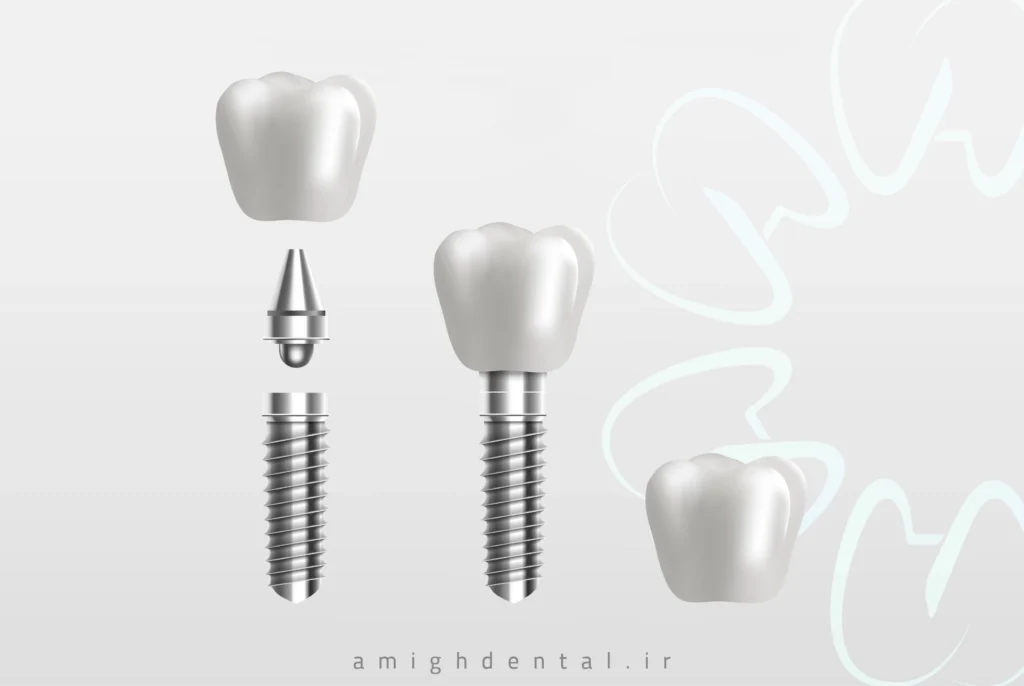
ایمپلنت چیست ؟ یک ریشه مصنوعی دندان است که در استخوان فک شما کاشته میشود. این ریشه معمولاً از تیتانیوم ساخته شده است که مادهای زیستسازگار است، یعنی بدن شما به خوبی آن را میپذیرد و با آن سازگار می شود. تصور کنید یک دندان طبیعی از دو بخش اصلی تشکیل شده است: ریشه (که در استخوان فک قرار دارد) و تاج (قسمت قابل مشاهده دندان). ایمپلنت دندان جای ریشه را میگیرد و سپس یک تاج مصنوعی روی آن قرار میگیرد تا هم از نظر ظاهری و هم از نظر عملکردی شبیه یک دندان طبیعی باشد.
An implant is an artificial tooth root that is surgically placed into your jawbone. This root is typically made of titanium, a biocompatible material, which means your body readily accepts it and integrates with it. Imagine a natural tooth consisting of two main parts: the root (located in the jawbone) and the crown (the visible part of the tooth). A dental implant takes the place of the root, and then …
دیگر خدمات
Other services
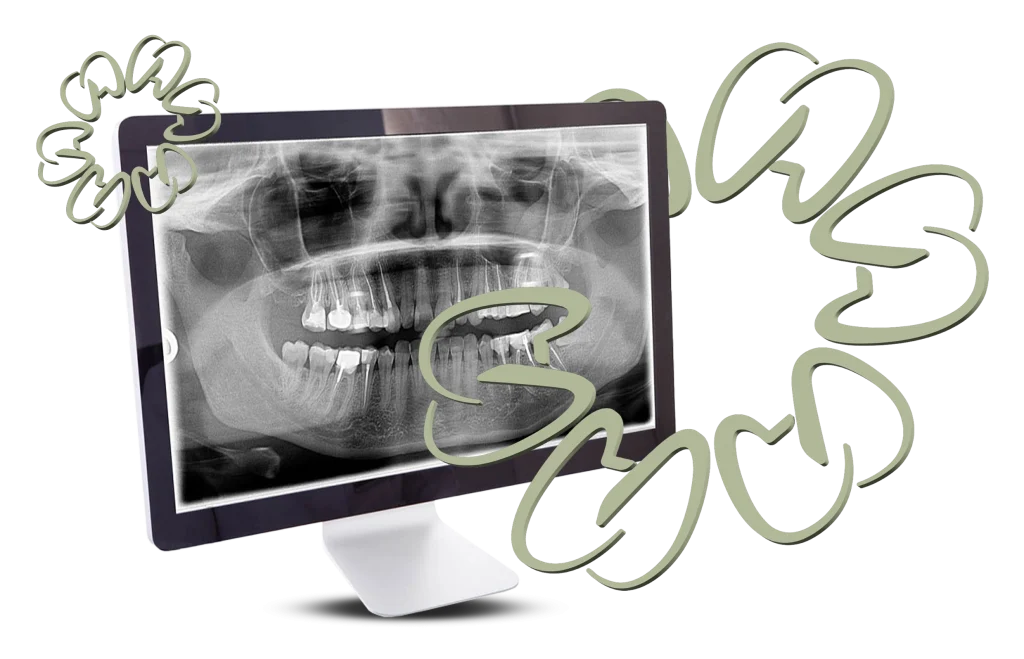
• ارسال OPG برای بررسی اولیه ایمپلنت
با ارسال تصویر OPG خود، فرآیند درمان را هوشمندانه آغاز کنید. تصاویر شما بلافاصله توسط الگوریتمهای پیشرفته هوش مصنوعی تحلیل شده و وضعیت استخوان و شرایط فک در اولویت بررسی دقیق متخصصان ما قرار میگیرد تا بهترین نقشه درمان برای شما طراحی شود. و بر اسا س الویت وضعیت دندان،جهت درمان سریع مشاورین ما در اولین فرصت با شما تماس خواهند داشت.
همین حالا رزرو کن
برای آسایش خاطر شما و تجربهای بینظیر، میتوانید به راحتی نوبت معاینهی خود را در سایت ما رزرو کنید و با لبخندی از پیش آماده، به سوی سلامتی گام بردارید!



انواع ایمپلنت
ایمپلنتهای پیچی (Screw-shaped Implants)
ایمپلنت پیچی یکی از روش های ایمپلنت است که در آن برای اتصال روکش و پایه ایمپلنت به یکدیگر از پیچ و مهره استفاده می شود. در این روش قطعه ای مهره مانند که به آن اباتمنت گفته می شود بین روکش و پایه قرار می گیرد و سپس روکش بر روی پایه پیچ می شود.
Full Translation Screw-Retained Implants: This type of implant uses a screw system to connect the crown and the implant fixture. An abutment, which is a small nut-like component, is placed between the implant and the crown. Then, the crown is screwed onto the implant base. Simplified Version (for brochure/website) Screw-Retained Implants In this method, the crown is attached to the implant using a screw and abutment. Pros: Easy to remove for repair or adjustment Strong and secure connection Cons: The screw hole may affect crown aesthetics (though usually covered)
ایمپلنتهای تیغهای (Blade Implants)
ایمپلنتهای تیغهای (Blade Implants): این نوع ایمپلنتها شکلی شبیه تیغه دارند و در مواردی که عرض استخوان فک کم است، استفاده میشوند. البته امروزه کمتر رایج هستند. مزایا: زمانی که عرض استخوان فک بسیار کم است، این ایمپلنتها میتوانند یک گزینه باشند. معایب: امروزه به دلیل نرخ موفقیت پایینتر و احتمال بیشتر مشکلات لثه و استخوان در مقایسه با ایمپلنتهای پیچی، کمتر استفاده میشوند. تثبیت آنها نیز به اندازه ایمپلنتهای پیچی قابل اعتماد نیست.
Blade-shaped implants were once used when the jawbone was too narrow. Pros: Can be an option in cases of very thin jawbone. Cons: Less reliable and less successful than modern screw implants Higher risk of gum and bone problems Rarely used today
ایمپلنتهای فوری (Immediate Implants)
ایمپلنتهای فوری (Immediate Implants): این ایمپلنتها بلافاصله پس از کشیدن دندان در همان حفره کاشته میشوند. این روش میتواند روند درمان را کوتاهتر کند. مزایا: سریعتر: زمان کلی درمان کوتاهتر میشود. حفظ استخوان: به جلوگیری از تحلیل استخوان فک کمک میکند. جراحی کمتر: معمولاً فقط یک مرحله جراحی لازم است. جلوگیری از جابجایی دندان: فضای خالی دندان را پر میکند. زیبایی فوری: گاهی روکش موقت بلافاصله قرار داده میشود. معایب: شرایط خاص: برای همه مناسب نیست (نیاز به استخوان و لثه سالم). ریسک بالاتر: کمی ریسک شکست نسبت به روش سنتی وجود دارد. نیاز به مهارت دندانپزشک: اجرای آن به تخصص بالاتری نیاز دارد. هزینه: ممکن است کمی گرانتر باشد. احتمال پیوند استخوان: در صورت تحلیل استخوان، ممکن است لازم باشد.
Immediate Implants An immediate implant is placed right after a tooth is extracted, in the same spot. This option can save time and help maintain your natural smile. Pros: Faster treatment with fewer visits Helps preserve jawbone Usually only one surgery needed Keeps teeth from shifting A temporary crown can often be placed the same day Cons: Not suitable for everyone (healthy bone and gums are required) Slightly higher risk of failure than the traditional method Needs an experienced dentist Can be more expensive Bone grafting may still be necessary in some cases
ایمپلنتهای استوانهای (Cylindrical Implants)
ایمپلنتهای استوانهای (Cylindrical Implants): این ایمپلنتها شکل صاف و استوانهای دارند و معمولاً با فشار در محل مورد نظر قرار میگیرند. مزایا: جایگذاری آنها نسبتاً آسان است و در استخوانهای با تراکم متوسط تا بالا خوب عمل میکنند. معایب: ممکن است به اندازه ایمپلنتهای پیچی، تثبیت اولیه قوی نداشته باشند، به خصوص در استخوانهای نرمتر.
Cylindrical Implants: These implants have a smooth, cylindrical shape and are usually placed by pressure into the desired site. Advantages: Relatively easy to place Work well in medium to high-density bone Disadvantages: May not provide as strong initial stability as screw-type implants, especially in softer bone
ایمپلنتهای تیتانیومی
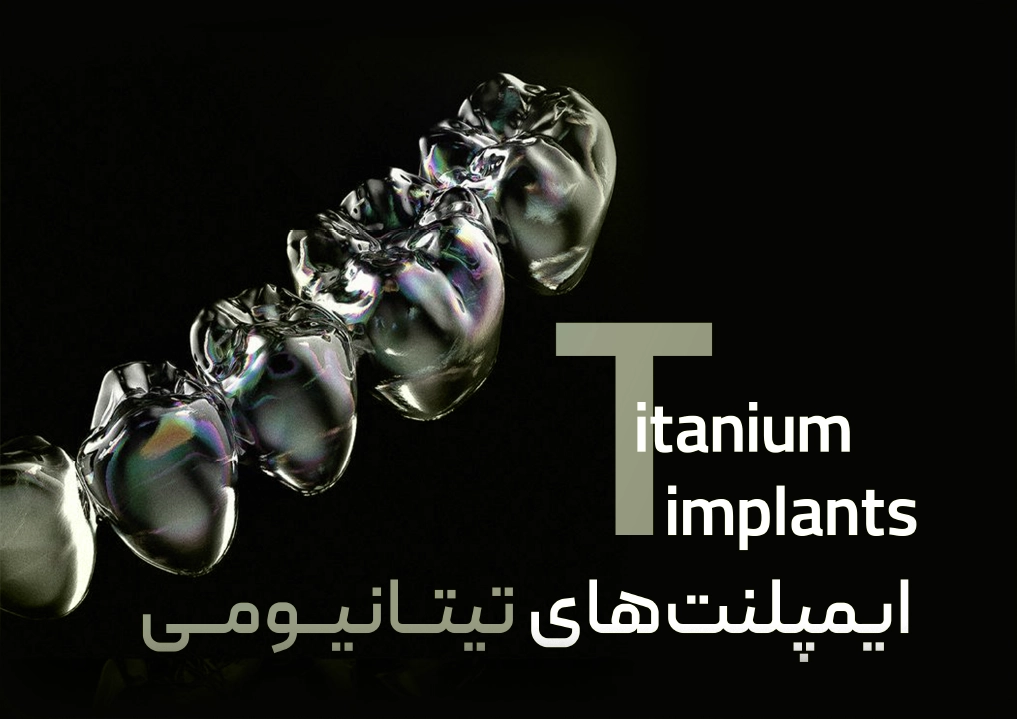
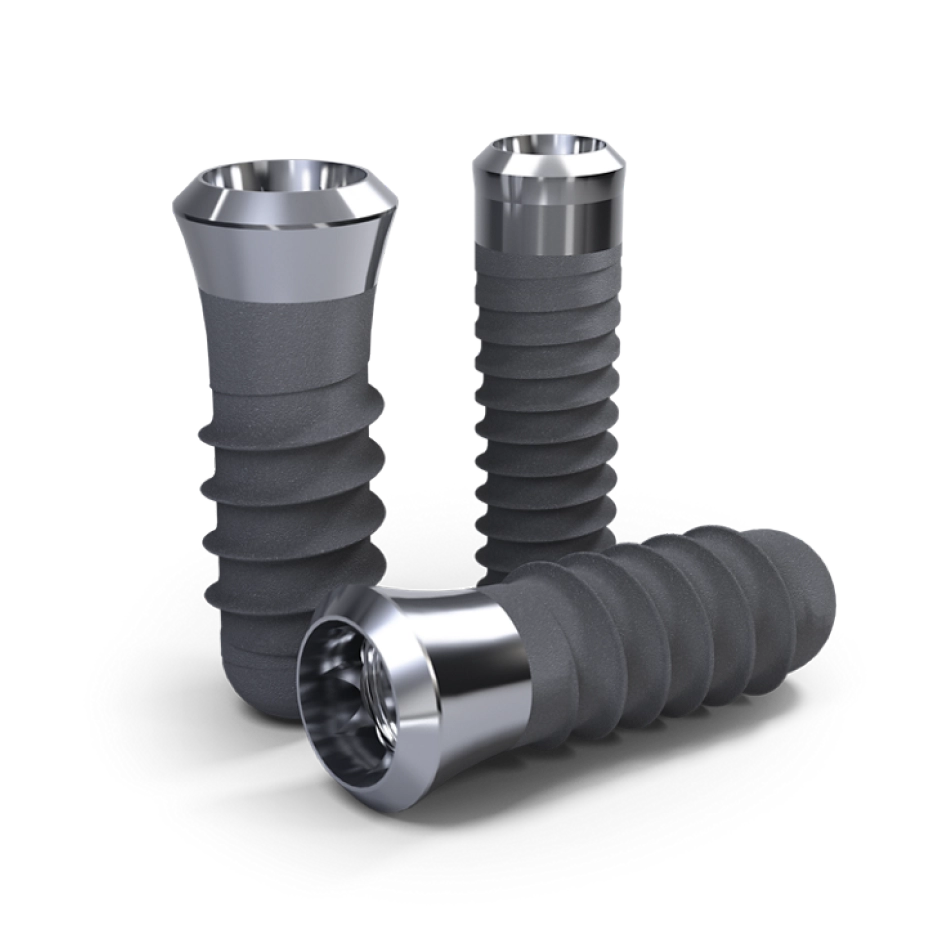
ایمپلنت تیتانیوم یک پیچ کوچک و استوانه ای شکل است که از آلیاژ تیتانیوم گرید پزشکی ساخته شده و از طریق جراحی در داخل استخوان فک قرار می گیرد تا جایگزین ریشه دندان از دست رفته شود. دلیل اصلی برتری و محبوبیت ایمپلنت تیتانیوم، خاصیت زیست سازگاری یا Biocompatibility آن است. مزایا: زیستسازگاری فوقالعاده، استحکام بالا، سابقه طولانی موفقیتآمیز در درمان، و قیمت معمولاً مناسبتر نسبت به زیرکونیا. معایب: رنگ فلزی آنها ممکن است در نواحی که لثه نازک است، از زیر لثه دیده شود (که البته با تکنیکهای مدرن و ایمپلنتهای با پوشش خاص، این مشکل کمتر شده است).
Titanium implants
Titanium implants are small, cylindrical screws made from medical-grade titanium alloy, surgically placed within the jawbone to replace the root of a lost tooth. The primary reason for the superiority and popularity of titanium implants is their excellent biocompatibility.
Advantages: Outstanding biocompatibility, high strength, a long history of successful treatment, and generally more affordable pricing compared to zirconia.
Disadvantages: Their metallic color may be visible through thin gums in certain areas (though this issue has been minimized with modern techniques and specialized coatings).
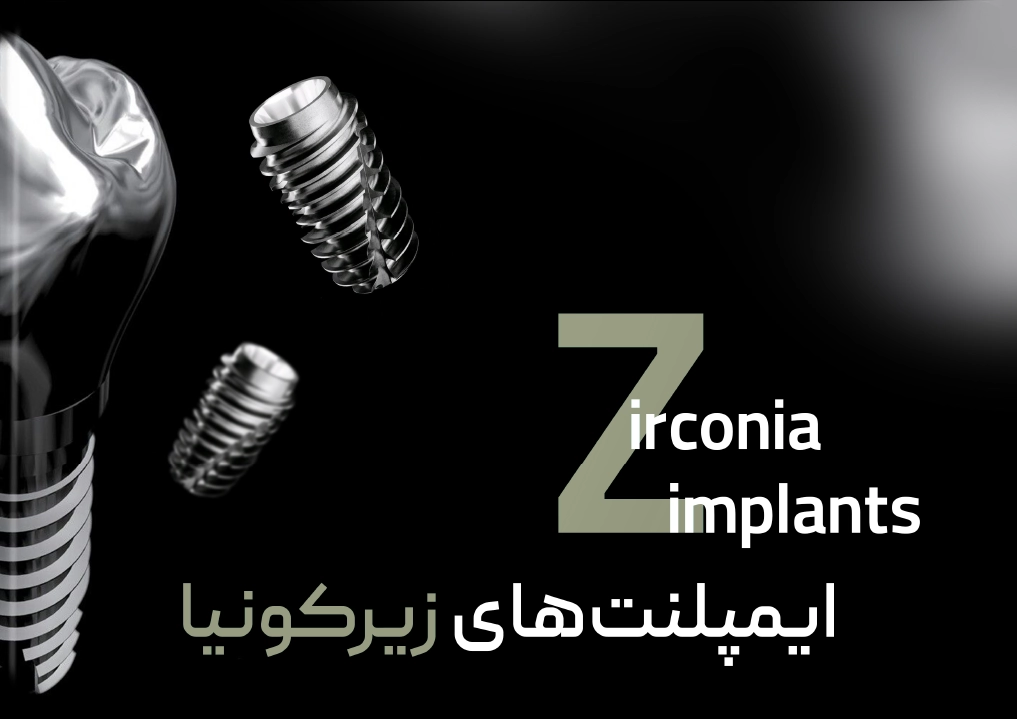
ایمپلنتهای زیرکونیا
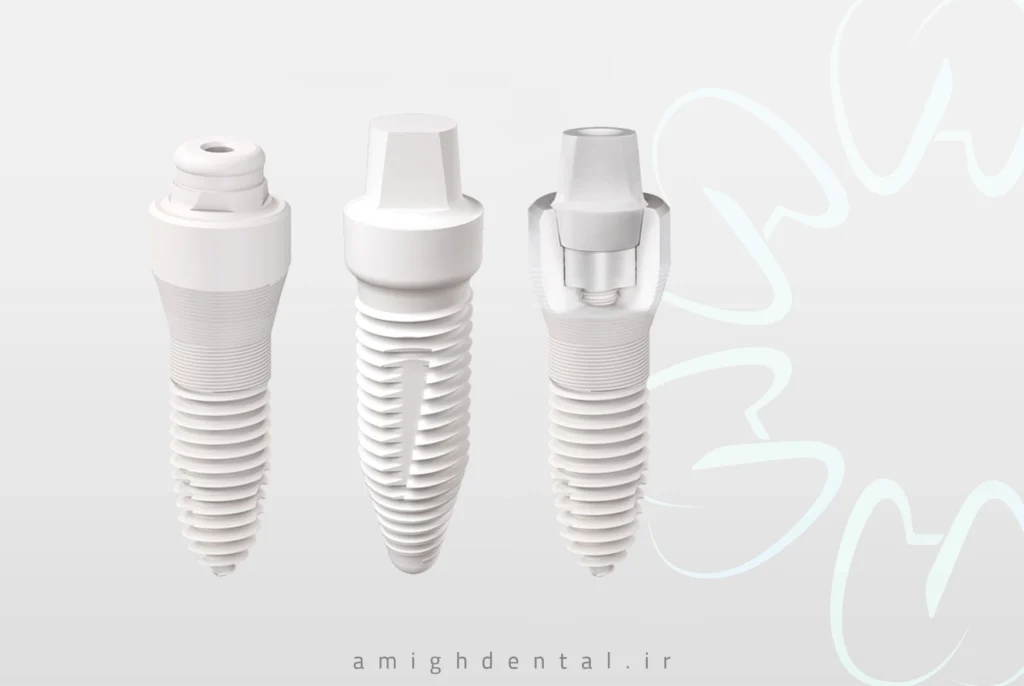
ایمپلنت زیرکونیا ظاهری شبیه به دندانهای طبیعی فرد دارد و در کوتاهترین زمان ممکن با استخوانهای فک جوش میخورد. مزایا: رنگ سفید و زیبایی بیشتر که ظاهری طبیعیتر ایجاد میکند، به خصوص در خط لبخند. مناسب برای افراد با حساسیت به فلز. ایمپلنتهای تکتکه زیرکونیا میتوانند زمان درمان را کوتاهتر کنند. معایب: شکنندگی بیشتر نسبت به تیتانیوم (هرچند نسلهای جدید زیرکونیا بسیار مقاومتر شدهاند). هزینه بالاتر. همچنین، ایمپلنتهای زیرکونیا معمولاً تکتکه هستند که انعطافپذیری کمتری در قرار دادن اباتمنت نسبت به ایمپلنتهای دو تکه تیتانیومی دارد.
Zirconia implants
Zirconia Implants have an appearance similar to the patient’s natural teeth and fuse with the jawbones in the shortest possible time. Additionally, zirconia implants are made in one piece, which reduces the treatment duration. Patients who use these implants have a shorter recovery period.
Advantages: Whiter color and greater aesthetics, creating a more natural look, especially in the smile line. Suitable for people with metal allergies. One-piece zirconia implants can shorten treatment time.
Disadvantages: Greater brittleness compared to titanium (although newer generations of zirconia have become much more resistant). Higher cost. Shorter treatment history compared to titanium, so less long-term data is available. Also, zirconia implants are typically one-piece, which offers less flexibility in abutment placement compared to two-piece titanium implants.
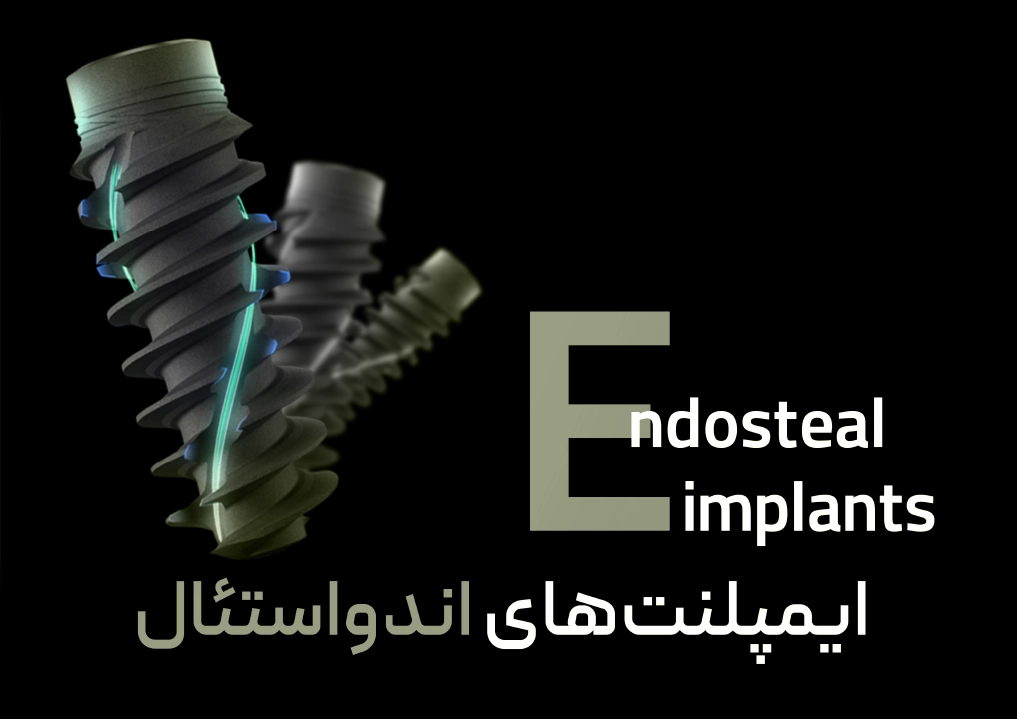
ایمپلنتهای اندواستئال
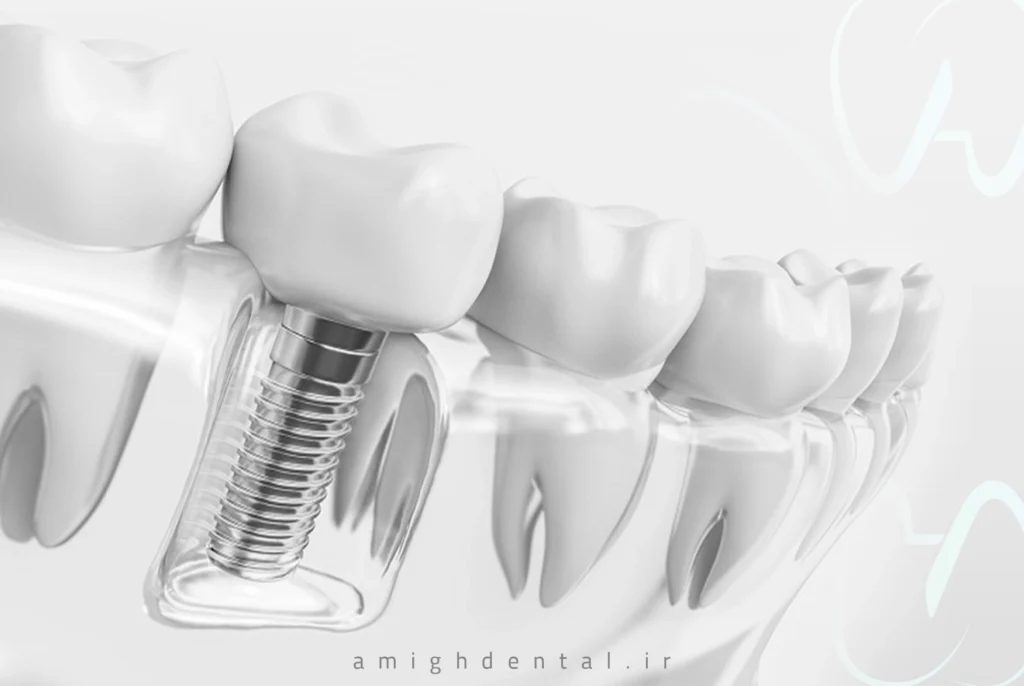
ایمپلنت اندو استیل (Endosteal Implants) دارای مزایایی است که مورد توجه دندانپزشکان قرار گرفته است. از جمله مزایای ایمپلنت دندان عبارتند از: این نوع ایمپلنت به خوبی به استخوان متصل شود. بنابراین، این نوع ایمپلنت به خوبی در داخل دهان محکم خواهد شد. مزایا: نرخ موفقیت بسیار بالا، تحریک استخوان و حفظ حجم آن، و احساس طبیعیتر. اینها استاندارد طلایی درمان ایمپلنت هستند. معایب: نیاز به استخوان کافی در ارتفاع و عرض.
Endosteal implants
Endosteal Implants have advantages that have garnered attention from dentists. Among the benefits of dental implants are: This type of implant integrates well with the bone. Therefore, this type of implant will be securely fixed within the mouth.
Advantages: Very high success rate, stimulates bone and preserves its volume, and provides a more natural feel. These are the gold standard for implant treatment.
Disadvantages: Requires sufficient bone height and width.
ایمپلنتسابپریواستئال
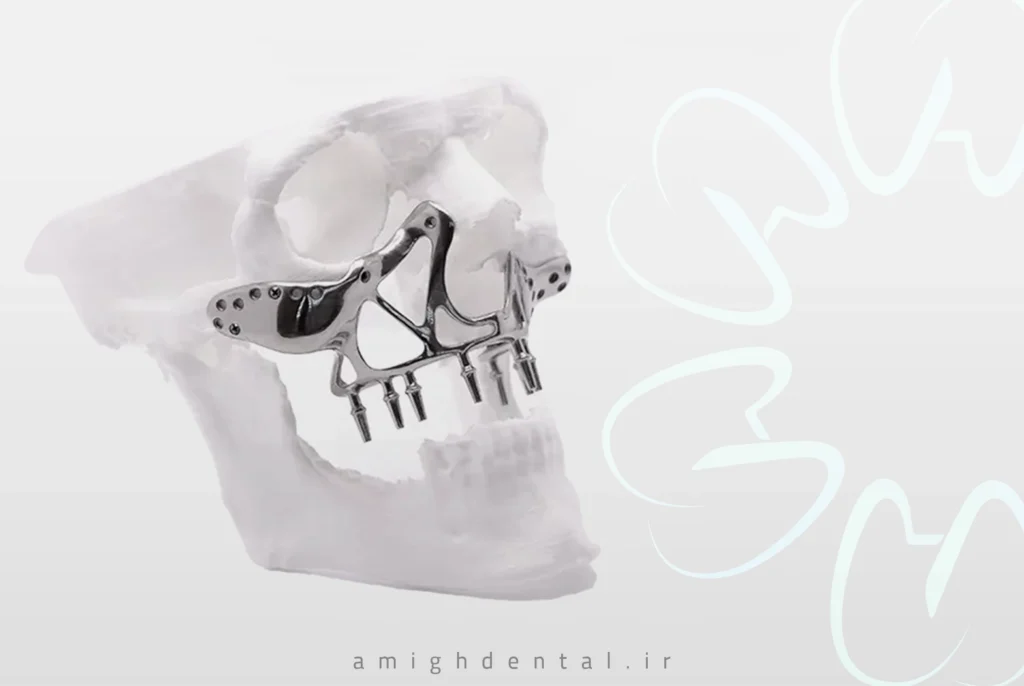
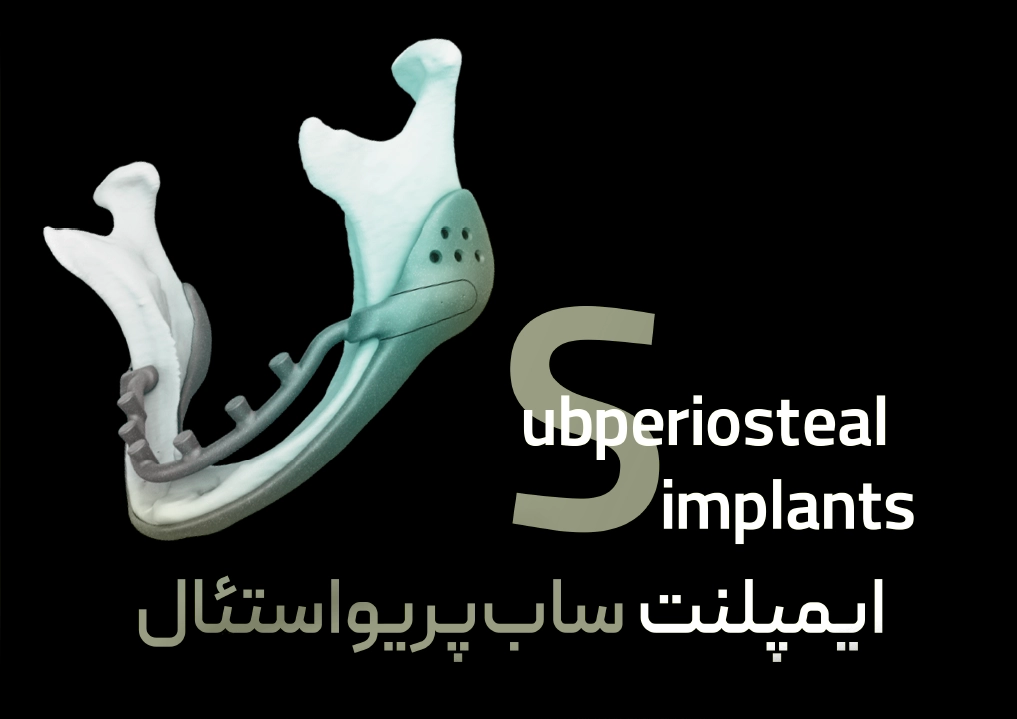
ایمپلنت ساب پریوستئال (Subperiosteal Implant) همانطور که گفته شد، این نوع ایمپلنت روی استخوان فک و زیر لثه قرار میگیرد. افرادی با مقدار نامناسب استخوان فک میتوانند از این روش استفاده کنند. مدت زمان جراحی کاشت چنین ایمپلنتهایی هم کوتاهتر است. مزایا: گزینهای برای بیمارانی که استخوان فک آنها به شدت تحلیل رفته و امکان جراحیهای پیوند استخوان پیچیده را ندارند. معایب: خطر بیشتر عفونت و مشکلات لثه در طولانی مدت، نرخ موفقیت پایینتر نسبت به اندواستئال، و معمولاً نتایج زیبایی و عملکردی ضعیفتری دارند. امروزه به ندرت از آنها استفاده میشود.
Subperiosteal implants
Subperiosteal Implants
As mentioned, this type of implant is placed on the jawbone and under the gum. Individuals with insufficient jawbone volume can use this method. The surgery time for placing such implants is also shorter.
Advantages: An option for patients whose jawbone has significantly atrophied and who cannot undergo complex bone grafting surgeries.
Disadvantages: Higher risk of infection and long-term gum problems, lower success rate compared to endosteal implants, and generally poorer aesthetic and functional results. They are rarely used today.